

Financial Books for Women: The Key
to Achieving Financial Independence
Empower Your Financial Future with Must-Read Financial Books for Women
Financial independence for women begins with the right knowledge, and our carefully curated collection of Financial Books for Women is the perfect starting point. Whether you’re launching your career, building wealth, or planning for retirement, gaining the right financial education is essential to shaping a successful future.
These handpicked Financial Books for Women offer practical advice, simplifying complex financial concepts and providing actionable steps. By investing in these resources, women can gain the confidence and skills needed to take control of their financial future and achieve long-term success.
Explore our recommended books below and take the first step toward financial empowerment today!

Our Recommended Financial Books for Women, Invest in Your Knowledge, Secure Your Future
Dive into our carefully selected collection of Financial Books for Women and take the first step towards securing your financial future. These books are not just about improving your financial literacy, they're about empowering you to take charge of your finances and work towards your own financial independence. We’ve handpicked some of the most insightful and inspiring reads that will support you on your journey to financial freedom. Start reading today and begin building the foundation for your financial success!
“Economy is a Great Treasure”: A Financial Book for Women and Young Visionaries
Financial books for women lay the foundation for financial independence for them, and it's important to start early. By fostering curiosity, creativity, and confidence in children, we can empower them to make informed financial decisions in the future. That’s why we’re excited to introduce “Economy is a Great Treasure”, a delightful children’s book by Jasmin Ettehadieh that brings financial knowledge to young readers in an engaging and enjoyable way.
This children's book explains basic financial concepts like budgeting, saving, and the difference between needs and wants in a fun and easy-to-understand way. It's an ideal introduction to the world of finance for children and promotes early financial literacy. Although aimed at young readers, it's often recommended alongside a book on finance for women, as financial education often begins in childhood. For parents looking for the best financial books for children, this book is an excellent choice.
What makes this book truly unique is its ability to turn everyday moments into teaching opportunities, encouraging meaningful conversations between parents and children about financial decisions. This is an important part of financial education for women, as it recognizes that financial literacy can be passed down across generations. By showing children that they can take control of their finances, the book instills the confidence needed to pursue their own financial independence.
At Partner Bank, we believe that financial empowerment begins with early financial education, and this book is a joyful and impactful first step towards financial independence for women.

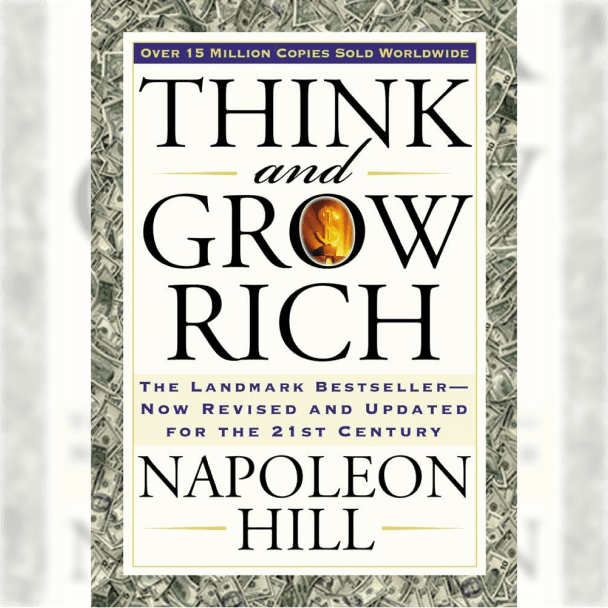
Think and Grow Rich: A Financial Book for Women on Wealth and Success
Financial books for women shape the mindset and habits for lasting prosperity. Think and Grow Rich by Napoleon Hill offers timeless principles that have empowered millions, including women, to achieve their financial goals. It emphasizes cultivating a positive mindset, setting clear goals, and developing perseverance for success.
Originally published in 1937, this classic delves into the psychology of success, revealing the 13 principles that can transform one's financial destiny. Hill's research, which includes insights from over 500 successful individuals, provides a blueprint for achieving wealth through desire, faith, and persistence.
For women on their path to financial independence, this book offers invaluable lessons on goals, positive thinking, and the power of a determined mindset. It's not just about thinking; it's about thinking with purpose and direction. This book is definitely one of those books for women.
The Richest Man in Babylon: A Financial Book for Women with Timeless Wisdom for Modern Wealth
Achieving financial independence for women requires a blend of knowledge, discipline, and strategic planning. The Richest Man in Babylon by George S. Clason imparts timeless financial wisdom through engaging parables set in ancient Babylon. First published in 1926, the book offers practical advice on managing money, investing wisely, and building lasting wealth.
Through the character of Arkad, the richest man in Babylon, readers learn essential principles such as:
- Start thy purse to fattening – Save a portion of your income.
- Make thy gold multiply – Invest wisely to grow your wealth.
- Guard thy treasures from loss – Protect your assets.
These principles are as relevant today as they were in ancient times, offering a solid foundation for women seeking financial independence.


The Millionaire Next Door: A Research-Based Look on Everyday Habits for Long-Term Financial Planning
The Millionaire Next Door by Thomas J. Stanley and William D. Danko challenges the idea that wealth looks like luxury. Based on research into high–net-worth households, it shows how financially secure people live “normally” and build stability through consistent habits: spending below their means, planning carefully, avoiding status-driven purchases, and focusing on net worth rather than appearance.
For women, the book can be especially helpful as an empowering lens on financial independence: it highlights practical, repeatable behaviors that support long-term choice and security, such as building savings buffers, making intentional spending decisions, and setting priorities that match personal goals. Rather than promoting quick fixes, it encourages a steady, values-based approach to money that can support confidence and clearer decision-making over time.
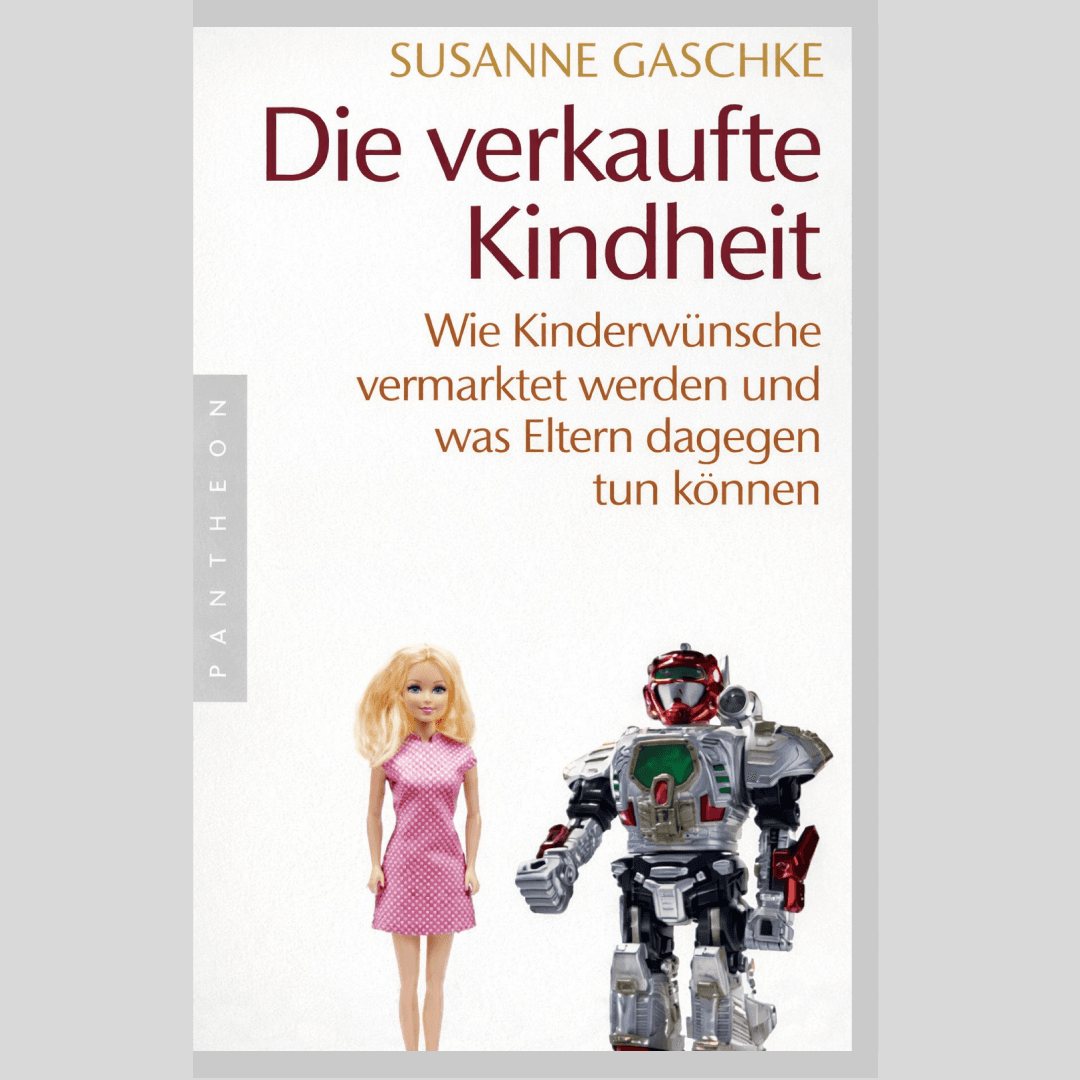
Sold Childhood: How Children’s Wishes Are Marketed
Books that help us navigate today’s loud consumer culture can support families in making calmer, more informed decisions. Sold Childhood: How Children’s Wishes Are Marketed and What Parents Can Do About It by Susanne Gaschke explores how advertising and commercial messages increasingly shape what children want and what feels “normal” in daily life. It also shows how brands, media, and product trends can create subtle pressure, not only for children but for parents as well.
It describes how advertising reaches children through modern media and everyday environments, and what effects this can have on values, expectations, and family routines. Gaschke also points to practical approaches for parents, for example fostering media literacy, setting clear boundaries, and having open conversations about needs, wants, and money.
For women balancing family decisions and household priorities, the book offers a nuanced, reflective perspective on consumption and encourages more conscious choices in everyday life.

Burnout No More!
Living with commitment and courage, without stress
“Burnout adé!” by Elisabeth Lukas is a compact, psychologically grounded book about stress, exhaustion, and how to stay engaged without burning out internally. Rather than seeing burnout only as the result of too much work, it presents it as an imbalance between effort, meaning, limits, and recovery. Drawing on logotherapy, Elisabeth Lukas explores what helps people stay resilient over time. With practical examples, she shows why not every kind of effort is equally draining, why recovery matters, and how our inner attitude shapes the way we deal with stress. It is a calm and reflective read for anyone who wants to approach burnout through both practical insight and questions of meaning, responsibility, and quality of life.
Fomo Sapiens: A Book on Fear, Decisions, and Conscious Money Management
FOMO Sapiens by Valerie Huber explores how the constant fear of missing out shapes modern life, decision-making, relationships, and mental well-being. The book reflects on how social media, comparison culture, and the pressure to always do more can create stress, insecurity, and emotional exhaustion, especially for younger generations. At the same time, it encourages readers to develop more awareness about their own habits, priorities, and values.
Rather than rejecting technology or modern life completely, Valerie Huber invites readers to find a healthier and more conscious balance between connection, ambition, rest, and authenticity. The book combines personal reflections, psychological insights, and social observations in an accessible and relatable way. It encourages readers to slow down, reflect more intentionally, and focus less on external pressure and more on what genuinely contributes to a meaningful and balanced life.


Ego Is the Enemy: A Book on Focus and Humility
Ego Is the Enemy by Ryan Holiday looks at how ego can quietly block progress at three moments: when we are learning, when things go well, and when we face setbacks. Using short stories from history, business, and philosophy, it shows how the need to be right, admired, or seen as special can lead to distraction, overconfidence, and defensiveness. The book returns to simple counter habits: focus on the work, stay curious, accept feedback, and keep learning. It also highlights discipline, patience, and service as practical ways to reduce ego-driven decisions day to day. Readers may find it useful when navigating leadership, visibility, or career change, because it encourages separating identity from outcomes and choosing steady improvement over quick validation. The short chapters make it easy to revisit. It is more about the process than applause.
Start With Yourself: A Book on Self-Leadership and Standards
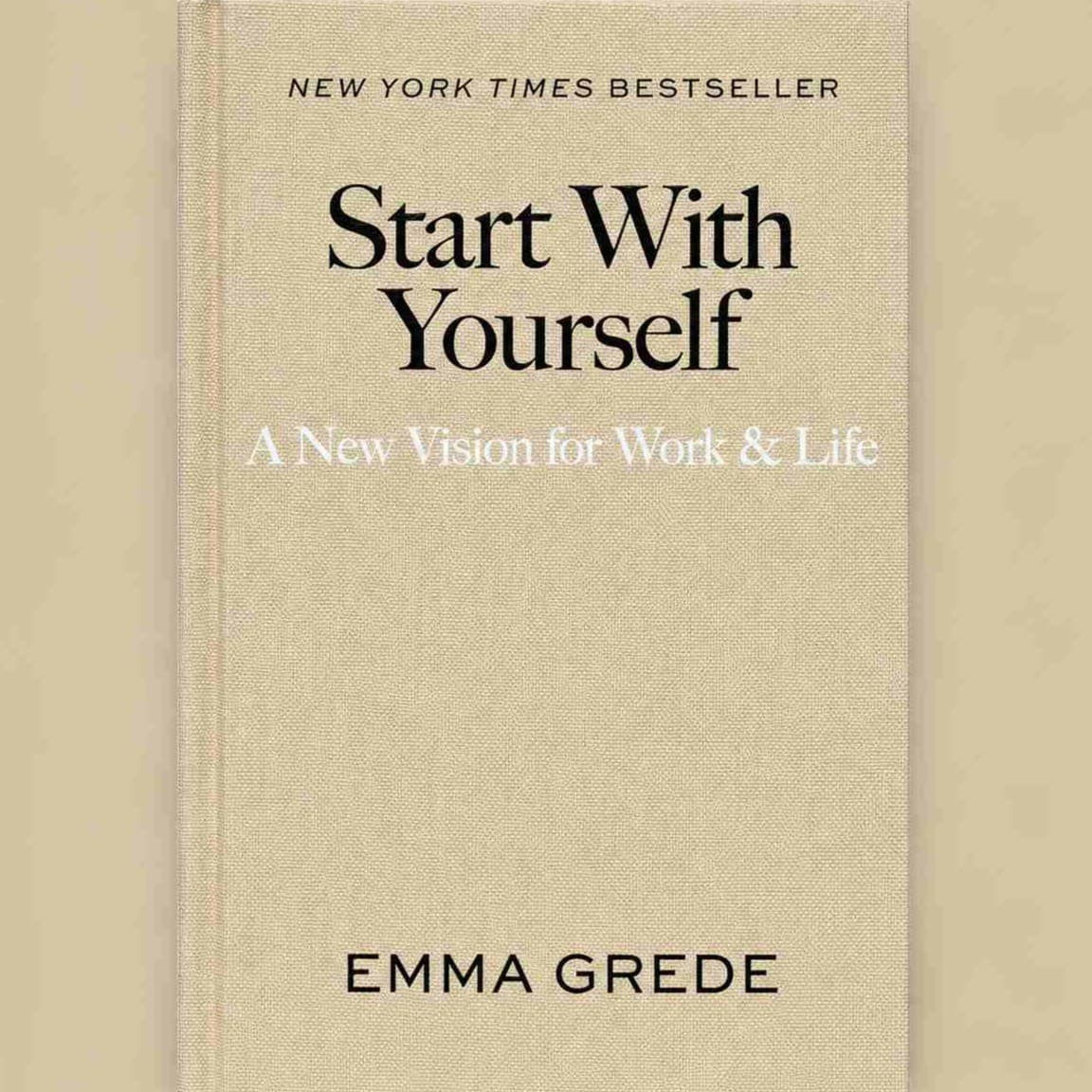
Start With Yourself by Emma Grede is a work and life book about self-leadership: taking ownership of choices, setting clear standards, and building momentum through consistent actions. Grede draws on her experience as an entrepreneur to discuss confidence that comes from preparation, learning to say no, managing time and energy, and making trade-offs without guilt. The book encourages practical reflection on what you want, what you can prioritise right now, and which habits or environments may be holding you back. It is less about quick hacks and more about simple principles you can return to when life gets busy. Readers may find it helpful for career growth, leadership, or starting a project, because it frames progress as clarity plus follow-through, not perfection. It also underlines the value of supportive relationships and asking for help when needed.
Start Your Financial Journey: Tools, Tips, and Resources for Women
At Finance for Women, we offer a variety of services to support your financial independence, from personalized consultations to workshops and webinars. Explore our full offerings below.
Continue Your Journey Beyond Financial Books for Women
Now that you've explored our financial books for women, take the next step with our courses, consultations, webinars, and more for continuous support and guidance on your financial growth.
 | General Legal and Risk Disclaimer |
Welcome to the Finance for Women website. The Bank assumes no guarantee for the accuracy, completeness, or timeliness of the information provided.
The content discussed serves exclusively for general and non-binding information purposes. This information does not constitute investment advice or a recommendation to buy or sell physical gold or financial products. Every investment involves risks, including the risk of total loss. Past performance is not a reliable indicator of future performance.
We assume no liability for decisions you make based on the content of the Finance for Women website. This website does not replace individual advice tailored to the personal circumstances of readers by a qualified financial advisor.
We wish you much enjoyment while reading.