

Investments in securities involve risks. The content of this website does not constitute investment advice, a recommendation or an invitation to purchase financial instruments.
Wealth Management Explained: How Managed Portfolios Work
Wealth management refers to the structured oversight of an investment portfolio within an agreed framework. This page explains what wealth management can include, how portfolios are monitored and reviewed, and which costs, risks, and service differences are useful to understand before comparing providers.
- Understand what professional wealth management usually covers.
- Review how portfolios are built, monitored, and adjusted over time.
- Compare costs, risks, service models, and provider responsibilities.


What Wealth Management Means in Practice
Wealth management means the ongoing management of an investment portfolio within an agreed framework. That framework can define objectives, risk limits, asset classes, liquidity needs, reporting rules, and review intervals.
The portfolio is then monitored and adjusted within that mandate, while costs, risks, and changes are documented over time.
 Investments may include shares, bonds, funds, ETFs, and cash positions. |
 The portfolio follows rules on allocation, risk, liquidity, and review. |
 These rules guide asset mix, review timing, and possible changes. |
Why Wealth management Is Often Compared
Wealth management is often compared when portfolios become larger, more varied, or harder to review alone. It can help to clarify the role of the provider, the agreed framework, and the level of ongoing portfolio oversight.
When Wealth Management May Become Relevant
A structured wealth management model can become relevant when investments require clearer rules, regular review, and documented oversight. This is often the case when assets, responsibilities, or long-term planning needs become more complex.
Growing portfolios
When investments are spread across several holdings, wealth management can help define allocation, risk limits, liquidity needs, and review intervals.
Ongoing oversight
Some investors prefer a framework for reviewing allocation, risk, costs, and market exposure instead of managing every portfolio change alone.
Complex financial situations
Life events, changing income, concentrated holdings, inheritance, or cross-border assets can make documented investment oversight more relevant.

Wealth Management or Investment Advice
Wealth management and investment advice are connected, but they do not work in the same way. The main difference is who approves investment actions before they are implemented.

Investment Advice
In an advisory relationship, the investor remains the decision-maker. Recommendations are discussed with the client before each transaction, and the client decides whether they should be implemented. Investment Advice should be based on the client’s situation, goals, investment horizon, financial circumstances, and risk tolerance.
Wealth Management
In wealth management, investment decisions can be implemented within an agreed mandate. The mandate defines investment rules, goals, risk limits and scope for action. The wealth manager acts within this framework. This service should also take into account the client’s situation, investment horizon, liquidity needs and risk tolerance.

How Wealth Management Typically Works
Wealth management is usually organized as a structured process. It often begins with understanding the personal situation and then moves through planning and portfolio construction to ongoing review.
01
Clarify the Situation
The process begins with your goals, investment horizon, liquidity needs, assets, financial situation and risk tolerance.
02
Define the Framework
In the next step, portfolio guidelines are defined, such as allocation, risk limits, investment types, reporting rules and review intervals.
03
Build the Portfolio
The portfolio is built within the agreed framework. Asset classes, allocation rules, risk profile and service model are taken into account.
04
Review Reguarly
The portfolio is reviewed regularly. This includes positions, allocation, risks, costs, market changes, and possible need for adjustment.

What a Wealth Manager Typically Handles
An asset manager is responsible for overseeing a portfolio within an agreed investment framework. The role usually goes beyond selecting individual investments and focuses on keeping the portfolio aligned with the agreed objectives over time.
Typical responsibilities may include:
 Defining the investment framework
 Building and allocating the portfolio
 Monitoring risk and market exposure
 Rebalancing the portfolio where needed
 Providing reporting and documentation
 Reviewing suitability over time
What Types of Wealth Management Are There?
Wealth management is not a single fixed model. Providers can differ in how decisions are made, how personal the service is and how portfolios are monitored. Knowing the main types can make it easier to compare services.
Private Wealth Management
Private wealth management is usually aimed at larger portfolios and may include personal support, portfolio review and ongoing management.
Independent Wealth Management
Independent wealth management describes providers whose selection is not limited to products from a single issuer.

Digital Wealth Management
Digital Wealth Management often combines online access with model-based portfolio management and ongoing monitoring.
Institutional Wealth Management
Institutional wealth management is aimed at organizations and usually follows formal investment guidelines and reporting duties.
The Triangle of Risk, Investment Horizon and Liquidity
In wealth management, portfolio decisions are usually based on risk, investment horizon and liquidity. These factors shape the portfolio structure and influence how capital can be used over time. The aim is not to remove risk, but to align the portfolio with the investor’s situation and access needs.
Risk Tolerance
Risk is viewed from two perspectives: the financial ability to withstand fluctuations and the personal willingness to accept them. Both factors help assess suitable allocation limits.
Investment Horizon
The investment horizon influences how a portfolio is structured. Longer periods may allow more growth-oriented investments, while shorter periods often require more focus on stability and availability.
Liquidity Needs
Liquidity planning reviews how much capital should remain available. Short-term needs can influence which part of the portfolio is invested for the longer term or in more volatile assets.
Which Asset Classes Can Be Part of Wealth Management?
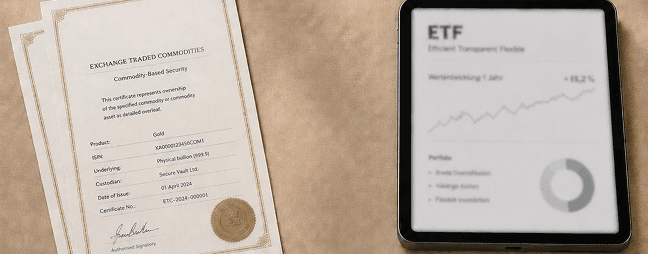
Depending on the agreed strategy, risk profile, investment horizon and liquidity needs, wealth management can include different asset classes. Common asset classes differ in how they behave, how much they may fluctuate and what role they can play in a portfolio.



What Does Wealth Management Cost?
Costs in wealth management can include service fees, product costs, transaction costs and account-related expenses. The exact structure can differ depending on the provider, mandate, portfolio size and investment approach. These costs matter because they reduce the investor’s net result.
 |
Management Fees Charged for the ongoing management service, often as a percentage of assets or another agreed pricing model. |
 |
Product Costs Funds or ETFs in the portfolio may carry their own ongoing charges, separate from wealth management fees. |
 |
Transaction Costs Buying, selling, or rebalancing investments can create additional costs as the portfolio is adjusted over time. |
 |
Performance Fees Some models may include a fee linked to portfolio performance, depending on the agreement and service structure. |
 |
Custody Fees Account or custody structures may involve charges for holding, reporting, and administering the assets. |
 |
Indirect Costs Spreads, taxes, currency effects, or other indirect costs can also affect the result when assets are held or traded. |
What Risks and Limitations Should You Be Aware Of?
Wealth management can provide structure, monitoring, and a defined investment framework. However, it does not remove investment risks. Even with ongoing management, fluctuations, losses, costs and limits on availability can occur.


Market and Valuation Risk
Investments can gain or lose value due to interest rates, economic conditions, company data, currencies, or market movements. Even broadly diversified portfolios can suffer losses.

Liquidity and Strategy Risk
Some investments cannot always be sold quickly or at the expected price. Results also depend on strategy, costs, assumptions, and portfolio decisions.

Inflation and Purchasing Power
Inflation can reduce the real value of savings and investments. Portfolio results should therefore also be considered in relation to purchasing power.
How Can You Compare Wealth Management Providers?
Suitable wealth management should be clear in four areas: the service model, reporting, costs, and investment approach. These points can help you compare providers before deciding which service structure fits your situation.
 |
Suitable Service Model The service should match how involved you want to be. Check whether you prefer to approve decisions yourself or have the portfolio managed within an agreed framework, and whether the model fits your risk profile, investment horizon and liquidity needs. |
 |
Reports and Decisions Berichte sollten Positionen, Aufteilung, Wertentwicklung und Änderungen klar darstellen. Auch sollte verständlich sein, wie Entscheidungen getroffen und Portfolios überprüft werden. |
 |
Costs and Entry Requirements The cost structure should be clear before you compare providers. Review management fees, product costs, transaction costs, minimum investment amounts and which services are included. |
 |
Investment Approach The provider should explain how portfolios are built and managed. Check whether the approach fits your goals, how risks are considered and whether the strategy is clear enough to review over time. |

How Wealth Management Support Wealth Accumulation
Building wealth over a longer period usually requires structure, review, and a clear investment horizon. Wealth management can support portfolio setup, monitoring, and review, while connecting decisions with broader Wealth Accumulation goals.
Wealth management can support this by:
- Aligning investment decisions with long-term goals.
- Maintaining a structured approach as wealth grows.
- Supporting diversification across different asset classes.
- Reviewing risk, liquidity and allocation over time.
- Assessing short-term market movements before adjustments.
- Providing ongoing reports and portfolio monitoring.

What Partner Bank Aims to Provide
Partner Bank is a private and advisory bank based in Linz. In wealth management, Partner Bank can help clients with structured portfolio oversight, securities expertise, and a clear view of risk, costs, liquidity, and long-term planning.
Together with qualified financial service providers, Partner Bank supports clients in financial planning and building wealth reserves. The aim is to keep portfolio structure, risk tolerance, time horizon, liquidity needs, and costs visible throughout the process. Investment risks remain and should be reviewed before any mandate is agreed.
Frequently Asked Questions
1. What is wealth management in simple terms?
Wealth management is the structured management of a portfolio within an agreed framework. It usually includes guidelines, ongoing monitoring and regular review.
2. How does wealth management differ from investment advice?
With investment advice, the client decides on recommendations. In wealth management, decisions can be implemented within an agreed mandate.
3. Is wealth management only for wealthy investors?
Not necessarily. Individual models are often aimed at larger portfolios. Standardized or digital models may also start with lower investment amounts.
4. Which investments can be part of wealth management?
Depending on the strategy, liquidity, bonds, shares, real assets, funds or ETFs can be part of a portfolio. The selection depends on goals, risk and investment horizon.
5. What does wealth management usually cost?
Costs can include management fees, product costs, transaction costs and custody-related fees. Total costs depend on the provider, portfolio and model.
6. Does wealth management remove investment risk?
No. Wealth management can provide structure and ongoing monitoring, but it does not remove market risk. Portfolio values can fall. Losses are possible.
Related Topics
If you would like to look at wealth management from different perspectives, these pages offer useful additions on advice, independent approaches, and long-term wealth accumulation.
Wealth Advice
Understand how wealth advice looks at your financial situation more broadly, including investments, planning, family needs and wealth structure.
| Learn more |  |
Independent Wealth Management
Learn how independent wealth advice can frame selection, product independence and service structure within the advisory process.
| Learn More | |
Wealth Accumulation
See how wealth accumulation can be planned over a longer period and what role investment structure, investment horizon and regular review can play.
| Learn More | |
Schedule a Wealth Management Consultation
If you would like to see whether wealth management could fit your situation, a personal conversation can provide orientation. Partner Bank can discuss possible frameworks, costs, risks and service models with you in a clear way.
 | Risk & Legal Notice |
Investments in securities involve risks. The content of this website does not constitute investment advice, a recommendation or an invitation to purchase financial instruments.