

A Great Treasure for World Savings Day
Posted by Partner Bank Academy 30 Oct 2024
Partner Bank is publishing a children's booklet entitled "Economy Is a Great Treasure" for this year's World Savings Day.
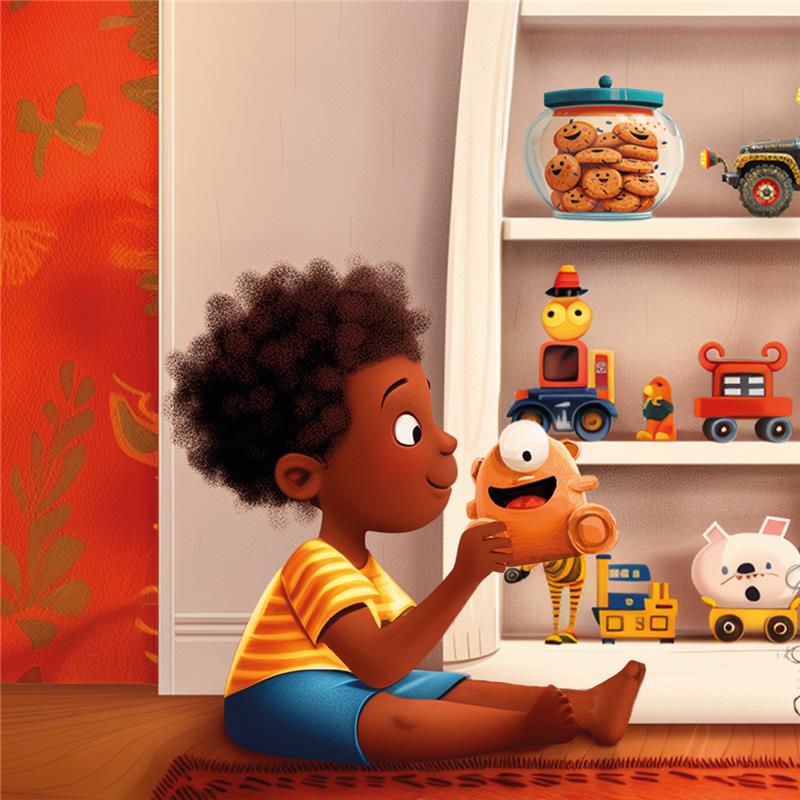
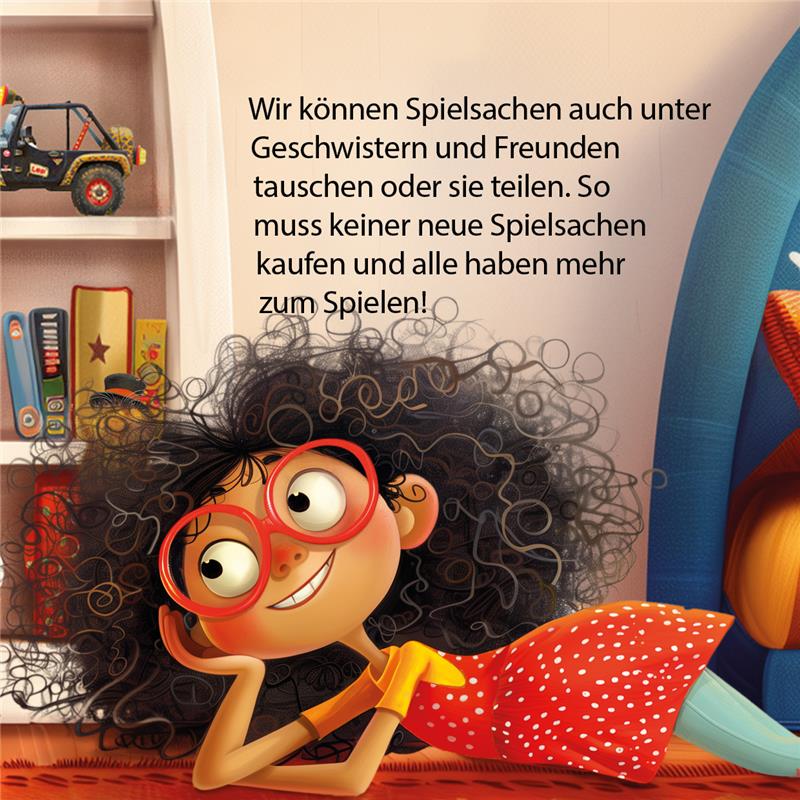
The book playfully explains the importance of saving through visualisations and examples, and shows how it can be put into practice in children's everyday lives.
"Our experience, as well as many statistics, shows that handling money is becoming increasingly difficult for children and young people. With our book, we want to make a contribution to financial education – and start with the very youngest. Children should learn how to handle money early, as the experiences and habits formed in childhood also shape attitudes towards money in adulthood. During the low-interest-rate phase, traditional saving became unattractive – yet saving remains an essential building block in life. We want to highlight the reasons for this with our practical booklet and encourage more conversations about it within families," says Sarvenas Enayati, Board Member of Partner Bank.
"5 Tips on How Children Learn to Handle Money Responsibly"
On the occasion of World Savings Day, children can be introduced to the idea of saving and shown why it is important. Money is simply not tangible for young children. The experience of where it comes from and what you get for it is missing. From around the age of 7, an understanding of money gradually begins to develop. To set children on the path to a good financial future, appropriate preparation is needed.
Sarvenas Enayati, Board Member at Partner Bank and mother of three, says:"The more children are involved in financial decisions, the more understandable the handling of money becomes for them."

1. The Time Factor – Showing How to Save
We live in a time when many things can be bought on instalments and at the touch of a button. It is important for children to learn that it fundamentally takes time before a wish can be fulfilled. Talk to your child about wishes, such as buying a bicycle. It takes discipline and patience to save up that amount. Use pictures to help visualise this goal. Or use a transparent container into which your child puts money each week and can see it grow more and more from week to week.

2. Showing the Difference Between "Wanting" and "Needing"
It is important to reflect together with your child on whether they truly need certain things or simply want them because other children have them too. Your child wants a new skateboard because the old one is no longer considered cool. By all means – but show your child how long it takes to set aside the money for a new skateboard, and let them save up for it using their own pocket money, or at least contribute a part of it. Also share examples from your own life of purchases you saved up for, or chose to do without entirely, because you realised they were not truly necessary.

3. Making the Purchasing Process Visible
Children tend to think that money is simply always there. That is why they should be involved in the process and in the conversations that lead up to a purchase. The child should learn that some things are too expensive and that purchases need to be carefully weighed up.
4. Learning to Manage and Stick to a Budget
To make money easier to understand, it is helpful to go shopping with a fixed budget. Once a budget for a shopping trip has been set, children should come along for the trip. The items to be bought are compared against the previously determined budget. Once it is used up, no more goods can be purchased. This way, managing a budget is learned in a practical and playful manner.
5. The Earlier You Start Saving, the Sooner You Reach Your Financial Goals
It is never too early to start saving. One option is to provide the child with three transparent containers. One holds the money they can spend freely. The second holds money for fixed expenses, such as the monthly cost of a smartphone. The third is used for saving. This way, the child can see how money "grows" or "shrinks" and develops an awareness of budgets. Take your child to the bank and show them their savings balance. It is also interesting for young people to look at and explore online banking functions together. In this way, children learn the principle of saving and how to build up financial reserves from an early age.

 | General legal and risk notice for blog entries |
Blog entries are general marketing communications and are created for information purposes only.
The information provided is non-binding and does not constitute personalised investment advice or a recommendation to invest in specific asset classes, sectors or companies or an invitation to make an offer to buy or sell certain assets.
Our information does not take into account the individual needs of potential clients with regard to income, tax situation or risk tolerance. Any information on the possible performance of certain asset classes is based on past performance and is not a reliable indicator of future developments.
The content presented is based on the state of knowledge and market assessment at the time this information was prepared. No liability is accepted for the realisation of a forecast situation.
In the event that a link is added to an external website, it is pointed out that no liability is assumed for the correctness and completeness of external information.
How Helpful Was This Article?
Your rating helps us decide which topics to cover in more depth. One click, anonymous.
Partner Bank Financial Blog
Would you like to be regularly informed about financial topics in the future?
Subscribe to our newsletter now and never miss a blog post again!
Browse by category