

Economy Is a Great Treasure
16 Mar 2025
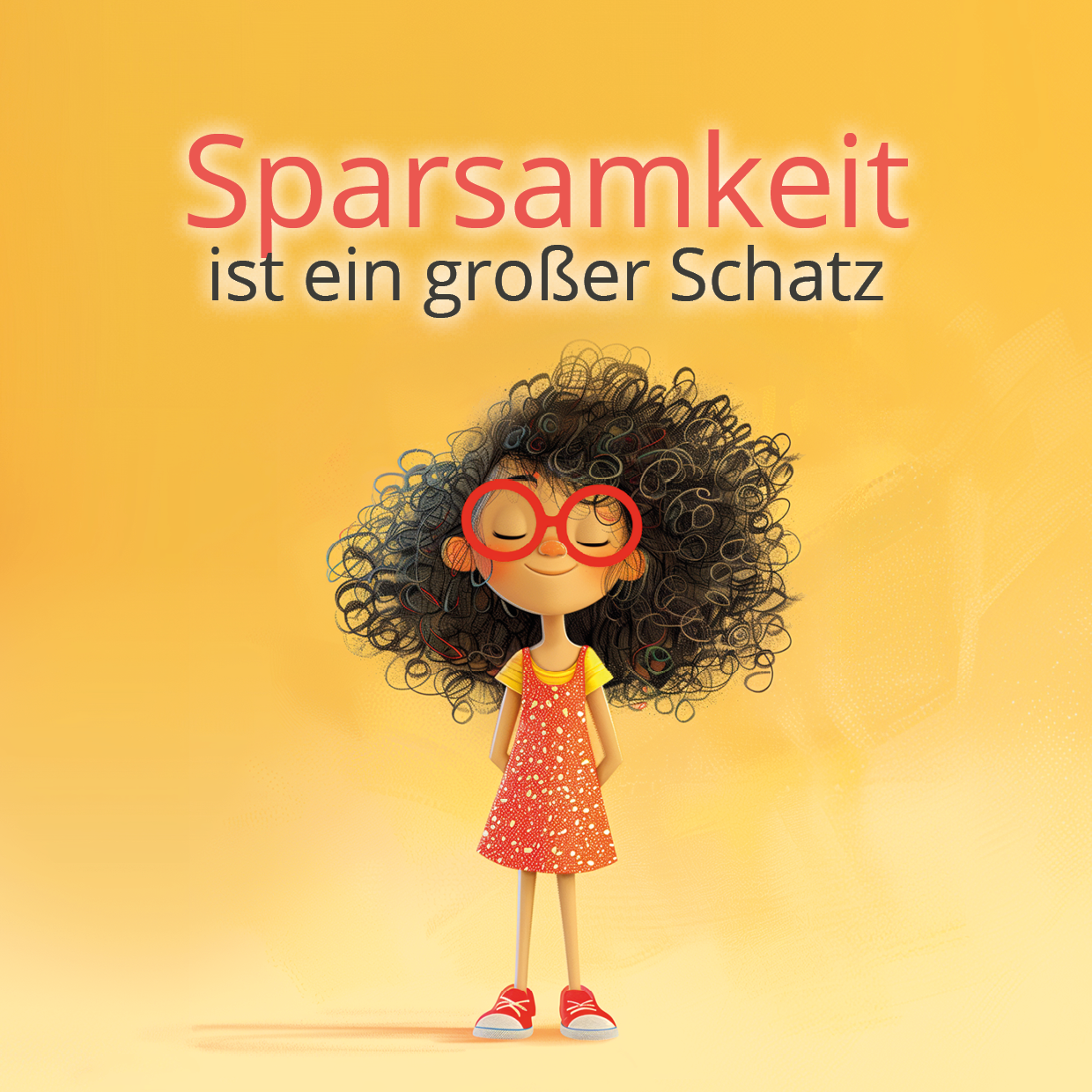
Introducing children to the idea of saving is an important foundation for their later financial independence. Yet dealing with money is often difficult for children to grasp – the experience of where it comes from, how it works and what value it holds is usually missing.
Dr. Sarvenas Enayati, Board Member at Partner Bank and mother of three, says: "The more children are involved in financial decisions, the more understandable the handling of money becomes for them."
Our mini-book "Economy Is a Great Treasure" aims to convey in a child-friendly way why saving is important and in which areas it matters. It is not only about money, but also about the responsible use of resources such as water, energy and everyday objects: borrowing books instead of buying them, sharing toys or being mindful with time are equally valuable insights.
The Partner Bank Academy is committed to promoting education as a foundation for social and economic development. Our mini-book is a contribution to preparing even the youngest children for a conscious approach to money and resources – with plenty of time, patience and age-appropriate guidance.
Here are some tips on how children can learn to save:
1. The time factor – showing how to save
Children should learn that wishes take time. Visualise goals such as a bicycle with pictures or a transparent container into which money is added weekly, so that growth can be tracked.
2. Showing the difference between "wanting" and "needing"
Reflect with your child on whether their wishes are truly necessary or simply arise from peer pressure. If they want a new skateboard, for example, show them how long it takes to save up for it. Yes, by all means – but show your child how long it takes to set aside the money for a new skateboard.
3. The earlier you start saving, the sooner you reach your financial goals
Children tend to think that money is simply always there. That is why they should be involved in the process and in the conversations that lead up to a purchase. Three transparent jars can help children learn how to handle money: one for freely available spending money, one for fixed costs (such as a smartphone) and one for saving. This allows the child to see how money grows or shrinks, and teaches them to manage budgets.
Partner Bank sees education as the foundation for social and economic development. The Partner Bank Academy has published a mini-booklet entitled "Economy Is a Great Treasure".
How Children Learn to Handle Money Responsibly
Introducing children to the idea of saving is an important foundation for their later financial independence. Yet dealing with money is often difficult for children to grasp – the experience of where it comes from, how it works and what value it holds is usually missing.
Our mini-book "Economy Is a Great Treasure", developed as part of the Partner Bank Academy, aims to do exactly that. It conveys in a child-friendly way why saving is important and in which areas it matters. It is not only about money, but also about the responsible use of resources such as water, energy or everyday objects: borrowing books instead of buying them, sharing toys or being mindful with time are equally valuable insights.
The Partner Bank Academy is committed to promoting education as a foundation for social and economic development. Our mini-book is a contribution to preparing even the youngest children for a conscious approach to money and resources – with plenty of time, patience and age-appropriate guidance.
Because: Economy Is a Great Treasure that accompanies children in a lasting way!
